This curated list brings together the best investing books for both beginners and experienced readers, covering personal finance, trading psychology, and practical strategies to help you make better decisions with your money.
1. The Bond King by Mary Childs
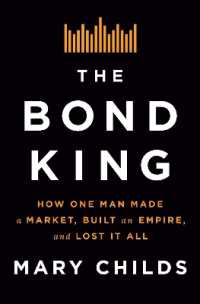
Although Bill Gross is known as a professional bond investor, his entry into the investing world was unusual. As a recent college graduate with just $200 to his name, he began gambling in Las Vegas; that’s what first drew him into the game. Eventually, his success at the casino led him to enrol in business school.
As the founder of one of the most influential investment firms, Gross reshaped the bond market. From profiting during the 2008 financial crisis to becoming a pioneer in bond trading, he earned the title “The Bond King.” For readers seeking broader market context, see what is forex trading.
Gross’s journey, company, mindset, and legacy are all explored in this book. If you want to build practical techniques alongside the narrative, explore forex trading strategies.
2. The Intelligent Investor by Benjamin Graham
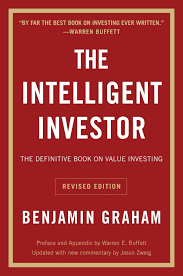
Widely regarded as the greatest investment adviser of the 20th century, Graham’s classic on value investing has often been described as a stock market bible. It highlights common mistakes to avoid and explains how to build long-term strategies. For position sizing and planning, use the trading calculator.
The Intelligent Investor remains relevant through updated editions that reflect today’s markets. Many of Graham’s principles still hold true, including strict risk management. A useful complement is understanding the risk-reward ratio.
Do not expect a secret formula for security analysis. Instead, expect guidance that shapes your mindset and approach. New investors may also begin with investing for beginners.
3. Patient Capital by Victoria Ivashina & Josh Lerner
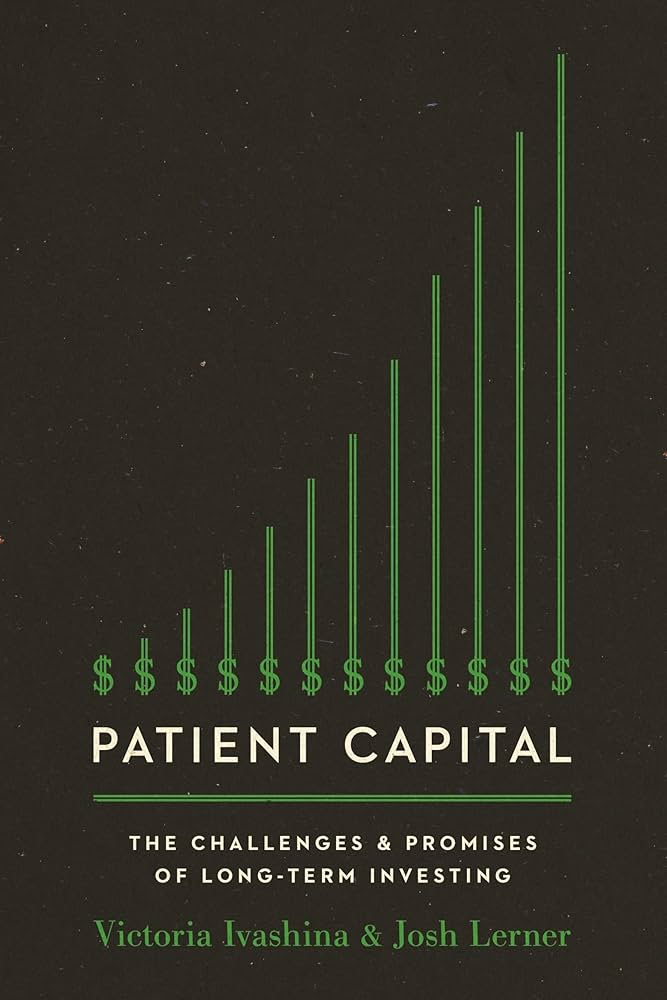
The authors argue that long-term investing can help address infrastructure gaps and climate-related challenges. They examine how large, stable sources of capital shape markets and outcomes over time. For broader portfolio structure, review account types.
Professors Ivashina and Lerner describe a dilemma facing long-term investors. Many pursue higher returns without having the right tools. We’ve aligned the references to TMGM resources: long-horizon investors may benefit from HUBx multi-account management and Acuity trading signals as practical tools.
4. The Billionaire’s Apprentice by Anita Raghavan
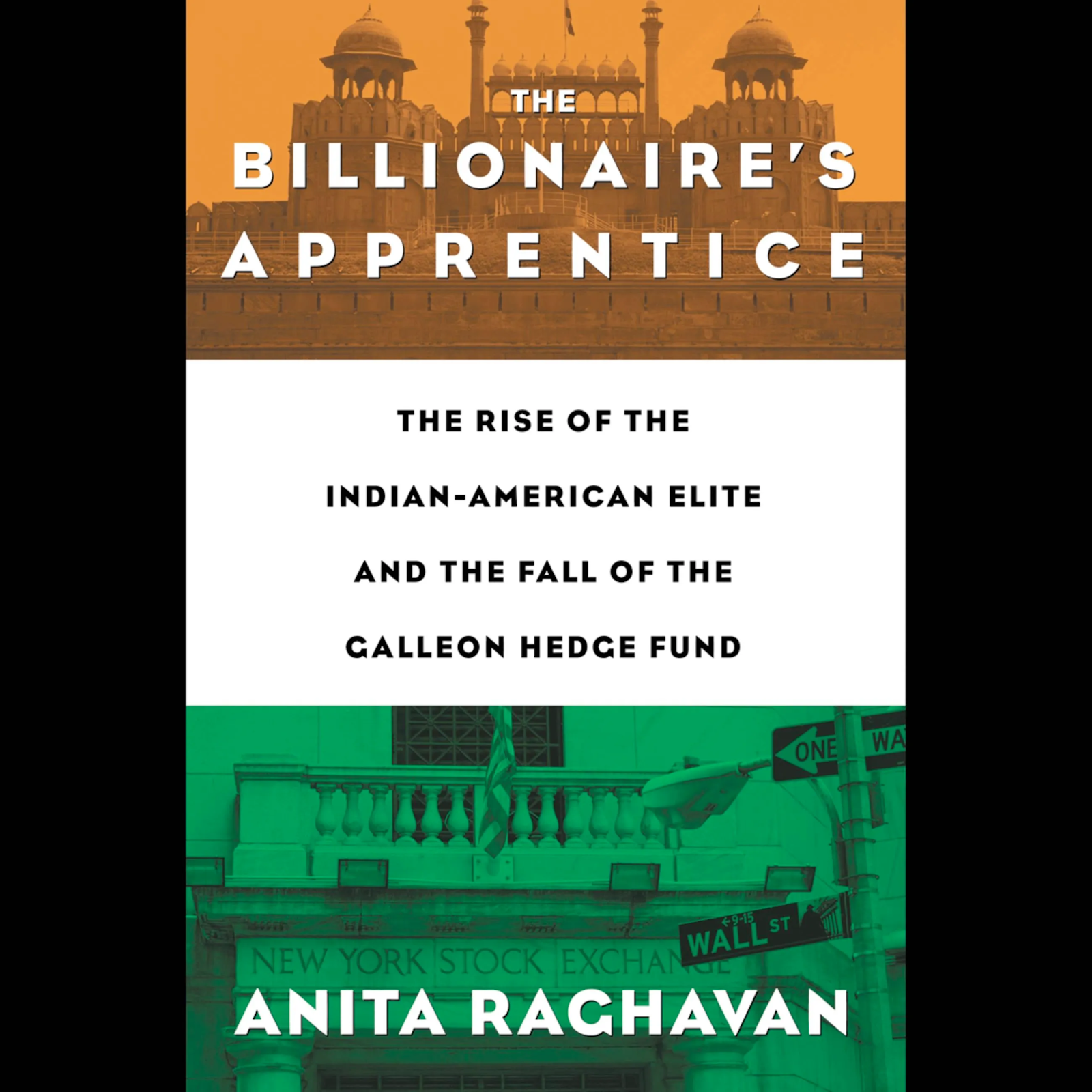
If you are tired of self-help books and want a compelling narrative, this title blends a rags-to-riches story, the rise of South Asians on Wall Street, and a cautionary perspective on greed. For technical context that helps assess stories of trading success and failure, study margin and leverage.
The story also follows major prosecutions and the collapse of a prominent hedge fund. To frame risk and entries more objectively, learn to read price charts.
5. The Psychology of Money by Morgan Housel
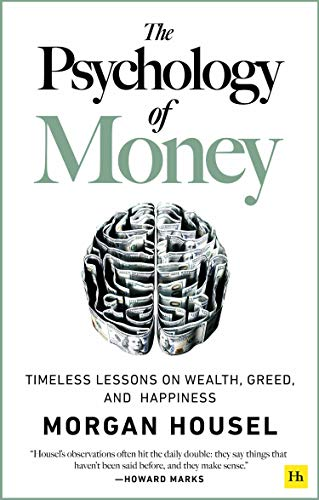
Through 19 short stories, Housel explores how people think about wealth, greed, and happiness. He presents money as a pathway to freedom and a better use of time. For practical habits, align psychology with swing trading strategies or review the economic calendar to plan around market events.
The book examines financial behaviour and the decisions that improve long-term outcomes. If you prefer a platform to practise discipline, compare MetaTrader 5 and MetaTrader 4.
One memorable idea is to avoid judging others’ finances without context. For more consistent execution under uncertainty, revisit top-down market analysis.
6. The Only Investment Guide You’ll Ever Need by Andrew Tobias
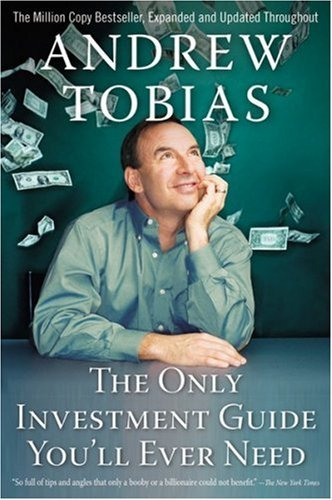
With more than a million readers, this guide answers practical questions about spending, saving, and investing. If you plan to place your first trade after reading, start by opening a trading account.
How can you spend more wisely?
When and how should you invest in stocks?
The ins and outs of investing online
Who can you trust to manage your money ?
Tobias writes for everyday readers, not just experienced traders. He covers credit cards, savings, bank accounts, and insurance. When you are ready to practise, compare MT4 and MT5.
7. The Ultimate Day Trader by Jacob Bernstein
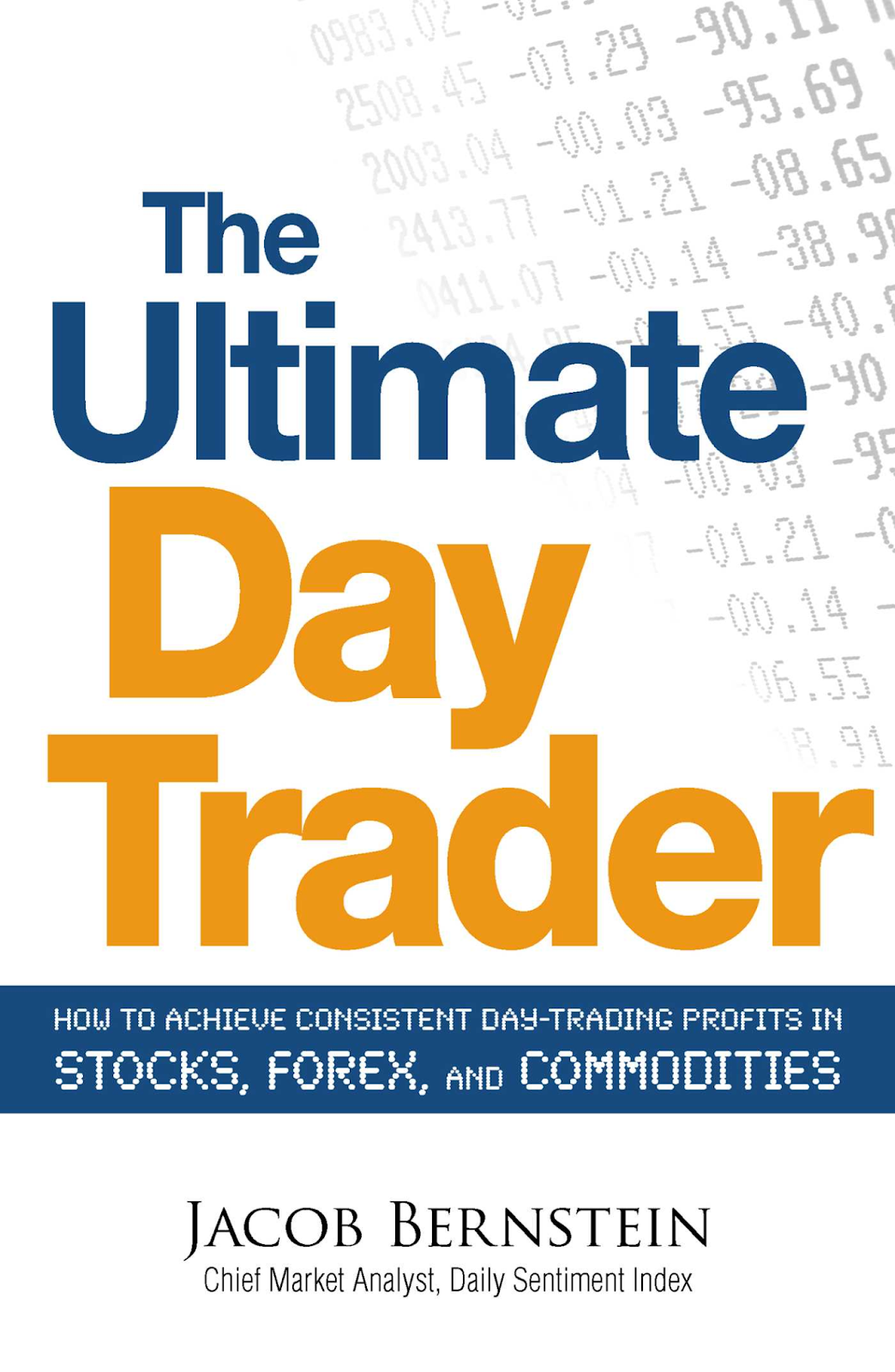
Day trading carries higher risk than longer holding periods. Bernstein offers tips and lessons that make the process clearer for readers. If you are considering this approach, first read day trading explained.
With more than four decades of experience, the author provides a detailed guide to getting started, including order entry, avoiding costly platform errors, and building robust methods. For additional structure, see day trading strategies and how to use trend lines.