What is Hedging?
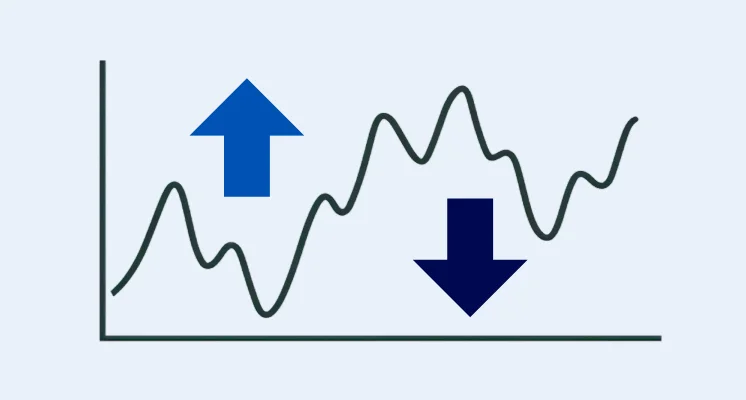
Hedging is a common financial practice used to reduce risk when trading or investing. In currency markets, hedging in forex simply means using an additional position to offset potential losses on your primary trade. The main purpose of hedging is to protect your capital against sudden price movements that could result in losses. Rather than relying solely on market direction, a hedge acts as a safety net. If the market moves against your position, the hedge helps offset part of the loss.
What is Hedging in Forex?
In simple terms, hedging in forex means opening one or more positions to protect your main currency trade from adverse price movements. When currencies fluctuate unexpectedly, hedging helps reduce potential losses. This protection is important because the forex market is constantly influenced by global events such as news releases, geopolitical developments, and interest rate changes, so it helps to understand what is forex trading before applying hedging techniques. Because forex trading often involves leverage, even small price movements can have a significant impact on your capital.
Many traders use hedging as a short-term protective measure within their broader forex hedging strategy, especially when they expect temporary market volatility. However, hedging can also form part of a wider trading plan depending on your risk tolerance and trading style.
How does Hedging work in Forex?
A hedge generally works by opening an offsetting position. This second position helps balance the risk of the first one.
When hedging forex positions, the goal is not always to generate a profit from the hedge itself. The primary objective is to reduce potential losses. If the market moves in your favour, your main position profits and the hedge may lose some value. If the market moves against you, the hedge helps limit your loss. This gives you greater stability and control over your trading outcomes and should fit within your broader set of forex trading strategies.
Opposite Position on the Same Currency Pair
There are several ways to do this. One method is to open an opposite trade on the same currency pair. For example, if you are long EUR/USD, you can also open a short EUR/USD position to temporarily reduce risk.
Using a Correlated Currency Pair
Another approach is to trade a correlated currency pair. For example, because EUR/USD and GBP/USD often move in the same direction, profits in one position may partially offset losses in the other.
Hedging with Options or Future Contracts
Forex options are a type of derivative that gives traders the right to buy or sell a currency pair at a specified price before a future expiry date. Traders are not obligated to buy or sell; forex options provide flexibility. Because they have an expiry date, forex options are mainly used as short-term strategies. Forex option prices are derived from the market prices of currency pairs, specifically the base currency.
An example of a forex option is a trader holding a long position in JPY/USD because they believe its value will rise. In the short term, the trader wants to protect the position against a certain level of loss, so they use forex options. If they take out a put option on JPY/USD and the value falls, they’ll profit from it. If the value rises, they’ll lose money on the option but profit from their long position. This means options allow a trader to limit downside risk without closing their position.
Forward Currency Contracts
Like forex options, forward currency contracts are agreements between buyers and sellers to exchange currency at a specified price on a future date. In this case, the buyer is obligated to purchase the asset, but there is greater flexibility for customisation, as traders can choose the currency pair, settlement date, and contract size.
At any point in the agreement, traders can settle the contract on either a cash or delivery basis. Although currency futures are traded on an exchange, hedging with them works similarly to forwards.
Forward contracts are commonly used by international businesses or long-term investors who want to protect profits from exchange rate fluctuations.
Cross Currency Swap Hedge
A cross currency swap hedge involves managing both interest rate risk and currency risk. Two parties, usually international businesses or investors, agree to exchange principal and interest payments in different currencies. This strategy can be customised and may involve floating interest rates, which can change with the forex market.
A cross currency swap hedge aims to mitigate the risk of rising interest rates. Both parties can agree on a fixed interest rate to avoid losses caused by volatile markets. This interest rate component is what distinguishes a cross currency swap hedge from other derivative products.
Forex Correlation Hedging Strategy
This strategy involves selecting two positively correlated currencies and opening opposite positions in them. A positive correlation, driven by shared economic influences, suggests they tend to move in the same direction.
For example, if USD/GBP and EUR/GBP have a positive correlation, you can hedge the trade by opening positions in both pairs, going long on USD/GBP and short on EUR/GBP. This can offset losses in one of the two currency pairs with significant profits in the other. This strategy doesn’t have to involve two currency pairs; one position could be replaced with a different asset, such as gold.
Since this is a market-neutral strategy, market fluctuations do not materially affect your overall exposure. This strategy helps balance volatility and can be applied across multiple markets, such as gold and oil, as well as currency pairs.
Forex Hedging Strategies
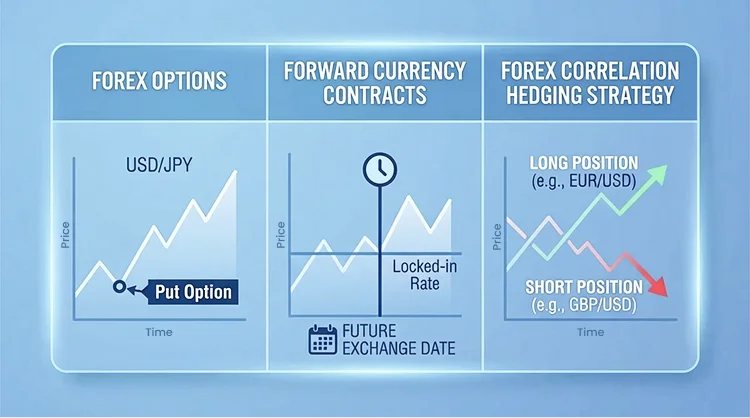
There are several forex hedging strategies that traders use depending on their goals and market conditions. Let’s explore the most common ones.
Forex Options
Forex options are a type of derivative that gives traders the right to buy or sell a currency pair at a specified price before a future expiry date. Traders are not obligated to buy or sell; forex options provide flexibility. Because they have an expiry date, forex options are mainly used as short-term strategies. Forex option prices are derived from the market prices of currency pairs, specifically the base currency.
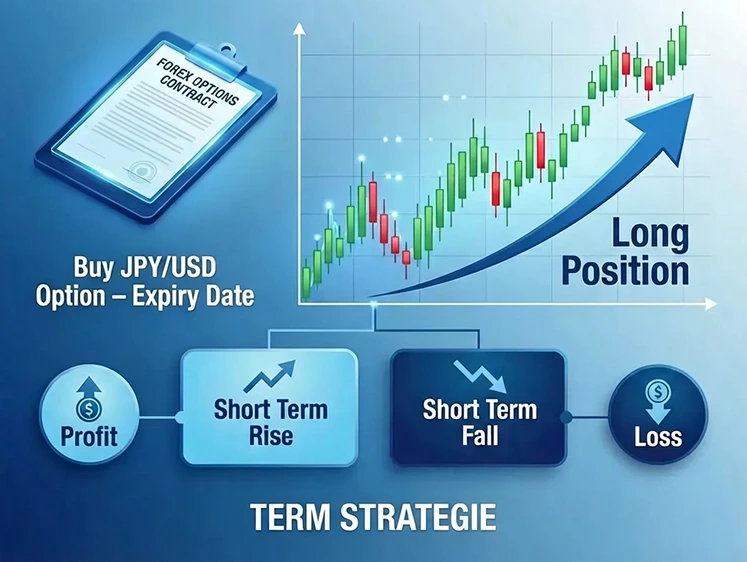
An example of a forex option is a trader holding a long position in JPY/USD because they believe its value will rise. In the short term, the trader wants to protect the position against a certain level of loss, so they use forex options. If they take out a put option on JPY/USD and the value falls, they’ll profit from it. If the value rises, they’ll lose money on the option but profit from their long position. This means options allow a trader to limit downside risk without closing their position.
Forward Currency Contracts
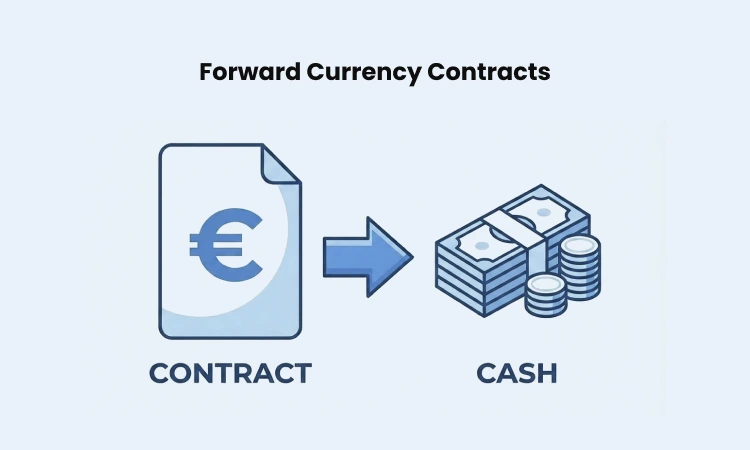
Like forex options, forward currency contracts are agreements between buyers and sellers to exchange currency at a specified price on a future date. In this case, the buyer is obligated to purchase the asset, but there is greater flexibility for customisation, as traders can choose the currency pair, settlement date, and contract size.
At any point in the agreement, traders can settle the contract on either a cash or delivery basis. Although currency futures are traded on an exchange, hedging with them works similarly to forwards.
Forward contracts are commonly used by international businesses or long-term investors who want to protect profits from exchange rate fluctuations.
Cross Currency Swap Hedge

A cross currency swap hedge involves managing both interest rate risk and currency risk. Two parties, usually international businesses or investors, agree to exchange principal and interest payments in different currencies. This strategy can be customised and may involve floating interest rates, which can change with the forex market.
A cross currency swap hedge aims to mitigate the risk of rising interest rates. Both parties can agree on a fixed interest rate to avoid losses caused by volatile markets. This interest rate component is what distinguishes a cross currency swap hedge from other derivative products.
Forex Correlation Hedging Strategy
This strategy involves selecting two positively correlated currencies and opening opposite positions in them. A positive correlation, driven by shared economic influences, suggests they tend to move in the same direction.
For example, if USD/GBP and EUR/GBP have a positive correlation, you can hedge the trade by opening positions in both pairs, going long on USD/GBP and short on EUR/GBP. This can offset losses in one of the two currency pairs with significant profits in the other. This strategy doesn’t have to involve two currency pairs; one position could be replaced with a different asset, such as gold.
Since this is a market-neutral strategy, market fluctuations do not materially affect your overall exposure. This strategy helps balance volatility and can be applied across multiple markets, such as gold and oil, as well as currency pairs.
How to Hedge Currency in Forex?

Now that we understand the strategies, how do you actually use hedging in forex trading? Here are the key steps for applying a forex hedging strategy:
Step 1: Open a Trading Account
The first step is to open an account. You can follow this detailed guide on opening a trading account before you begin. Start a live account with a reputable and regulated forex broker to practise forex hedging techniques. If you’re unsure about hedging in forex, start with a demo account for risk-free trading.
Step 2: Select Your Currency Pairs

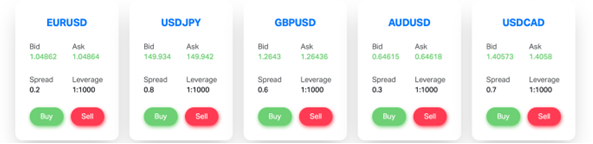
The next step is to choose a currency pair. TMGM offers a wide range of currency pairs. Four of the best forex pairs to trade are EUR/USD, USD/JPY, USD/GBP, and AUD/USD. When deciding which pair to hedge, you should also consider liquidity and the size of the forex spread.
Step 3: Choose Your Hedging Approach
Next, you need to select a strategy. Choose an approach that best suits your needs, objectives, and trading style. You will need to decide whether to hedge the same pair, use a correlated pair, or use options or forward contracts.
Step 4: Monitor Market News
Economic updates and geopolitical news can quickly affect currencies. Keep track of forex news and use an economic calendar to monitor key events. Since the forex market is highly volatile and trades across global sessions, understanding forex market hours helps you decide when to open or close a hedge, as these developments can significantly influence the market.
Step 5: Determine Entry and Exit Points
Your hedging should not be done randomly. Define your entry and exit points before placing a trade. Pay attention to forex signals and use technical indicators to build a solid technical analysis strategy.
Step 6: Use Risk Management Tools
Finally, make sure risk management tools are in place. Stop-loss and take-profit orders should help minimise losses, especially in a high-risk market like forex. Effective risk control also includes considering your risk reward ratio on each trade. It also means using proper position sizing so that each hedge is appropriate for your account size. Sound risk management is essential across all hedging methods.
Forex Brokers That Allow Hedging
Choosing the right broker is an important part of using a forex hedging strategy, especially when comparing the best forex broker for your needs. Not all forex brokers allow hedging, and some may restrict traders from holding both buy and sell positions on the same currency pair. Therefore, traders should choose a broker that is transparent, regulated, and supportive of hedging techniques.
TMGM is a broker that supports forex hedging strategies and offers different account types to suit your trading style. Traders can access a wide range of currency pairs, institutional-grade spreads, and professional-grade platforms such as MetaTrader. TMGM also provides educational resources through its Trading Academy, allowing beginners to learn about hedging in a structured and straightforward way. For those who want to practise first, TMGM offers a demo account where traders can explore hedging scenarios without financial risk. Once confident, traders can transition to a live account and apply hedging techniques in real market conditions.