

Trading
Explore a wide range of markets with competitive pricing, deep liquidity, and advanced trading tools.
Learn More 
Platform
Trade seamlessly with TMGM's powerful platform, built for speed, precision, and a superior trading experience.
Learn More Trading Platform
Academy
Learn the fundamentals of trading with beginner-friendly resources, including guides, webinars, and market insights.
Learn More News & Analysis
Get real-time market updates and expert analysis to stay ahead of trading opportunities
Learn More News & Analysis
About
Learn what sets TMGM apart — our global presence, regulatory strength, and commitment to innovation in trading.
Learn More Why Choose TMGM
Sponsorship
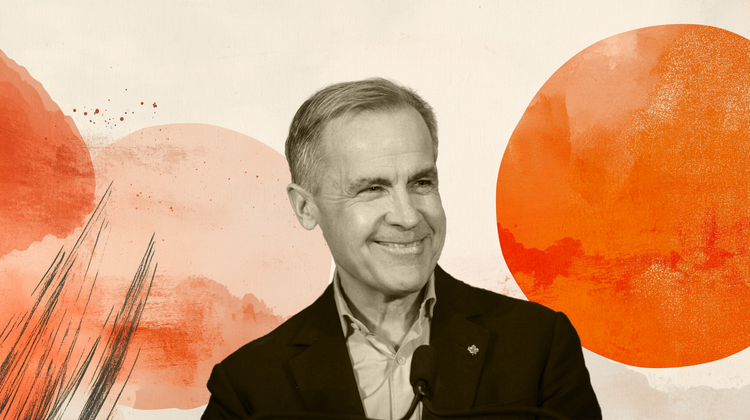
Canada’s Carney: More intensive talks with US ahead
Uncertainty persists over a trade agreement with the United States (US), with Canadian Prime Minister Mark Carney saying on Tuesday that key issues remain unresolved despite progress in negotiations. Carney said discussions would intensify, but stressed that the trade talks were not yet complete.
What did Carney say?
Talks with US to become more intensive.
Progress made but US trade talks not yet complete.
Some red lines remain to be addressed.
Key issues remain, but progress achieved.
Some of our limits in US trade talks have been eliminated.
US requests fewer concessions and proposes more, but deal not reached yet.
Trade negotiators don’t always need talks with USTR, communication lines remain open.
Looks forward to meeting Trump at APEC summit in China.
How is USD/CAD trading?
A daily gain of 0.06% puts the USD/CAD pair at 1.4012 at the time of writing.
Tariffs: key questions answered
By giving domestic producers and manufacturers a price advantage over comparable imported goods, tariffs aim to improve their competitiveness in the market. These customs duties apply to specified merchandise imports or product categories. Alongside trade barriers and import quotas, tariffs are widely deployed as protectionist measures.
Both tariffs and taxes raise government revenue for public goods and services, but they differ in several respects. Importers pay tariffs in advance at the port of entry, whereas taxes are paid when a purchase is made. Taxes apply to individual taxpayers and businesses; the responsibility for paying tariffs rests with importers.
Economists are divided into two schools of thought on the use of tariffs. One view holds that they are needed to safeguard domestic industries and correct trade imbalances. The opposing view considers them harmful, warning that they could raise prices over the longer term and encourage retaliatory tariffs that lead to a damaging trade war.
Ahead of the November 2024 presidential election, Donald Trump clearly signalled his intention to deploy tariffs in support of the US economy and American producers. Mexico, China and Canada together represented 42% of total US imports in 2024. According to the US Census Bureau, Mexico was the leading exporter during this period, at $466.6 billion. These figures underpin Trump’s intention to target the three countries with tariffs. His plans also include using tariff revenue to reduce personal income taxes.
POPULAR ARTICLES
1US President Donald Trump describes position with Iran as brilliant2Canada’s Carney: More intensive talks with US ahead3Stronger US Dollar pushes Gold below $3,950 as attention turns to US midterm elections4Ethereum Price Forecast: ETH remains below $2,309 realised price as US-led selling weighs5New Zealand’s Unemployment Rate overshoots 5.5% forecast, rising to 5.7% in Q36Aussie below 0.7000: Why has an RBA hike failed to counter US election woes?7Why is the Kiwi falling as New Zealand unemployment climbs to 5.7%?8British Pound approaches Bank of England hike with tightening priced in well beyond this move9Chinese Yuan: UOB expects modest weakening against US Dollar


Get Started!
Sign up and access the Global Markets in less than 3 minutes

Connect With Us









Contacts
Phone: +61 2 8036 8388
Fax: +61 2 8036 8388
Email: support@tmgm.com



The information provided on this website is of a general nature only and does not constitute personal financial advice. Before acting on any information on this website, you should consider the suitability of the information in relation to your objectives, financial situation and needs. Investing in CFDs and FX Margin Contracts carries significant risks and is not suitable for all investors. You may lose more than your initial deposit. You do not own, or have, any interest in the underlying asset. We recommend that you seek independent advice and ensure you fully understand the risks involved before trading. It is important that you read and consider the disclosure document before you acquire any product listed on the website. The information and advertisements offered on this website are not intended for use by any person in any country or jurisdiction where such use would be contrary to local laws and regulations. The Products and Services offered on this website are not intended for residents of the United States, Malaysia and Thailand.
TMGM is authorized and regulated in various jurisdictions.
Trademax Australia Limited, trading as TMGM, is regulated by the Australian Securities and Investments Commission (ASIC), AFSL no. 436416 and is located at Level 28, One International Tower, 100 Barangaroo Avenue, 2000 Sydney, NSW Australia.
Email: support@tmgm.com.au
Trademax Global Limited, trading as TMGM, is authorized and regulated by the Vanuatu Financial Services Commission (VFSC), registration number 40356 and registered at 1276, Kumul Highway, Port Vila, Vanuatu, Republic of Vanuatu.
Email: support@tmgm.com
Trademax Global Markets (SE) Limited, trading as TMGM, is authorized and regulated by the Financial Services Authority (FSA) of Seychelles, with license number SD224. The company is registered at Office No 13, Providence Estate ABIS Centre, Mahe, Seychelles.
Email: support@tmgm.com
Trademax Global Markets (International) Pty Ltd, trading as TMGM, is authorized and regulated by the Financial Services Commission, Mauritius (FSC) with license no. GB22201012, and registered at 33, Edith Cavell Street C/o IQ EQ Fund Services (Mauritius) Ltd Port Louis, 11324 Mauritius.
Email: support@tmgm.com
Copyright © TMGM. All rights reserved